Preparing healthy food for children can feel like a daily challenge, especially when mornings are already busy and you’re rushing to work.
Parents want their child to eat well, stay full, and have enough energy for school. But at the same time, you also need food that is quick to prepare, easy to pack, and actually appealing to a young child.
The good news is that healthy lunchboxes do not need to be complicated. You do not need fancy bento art, expensive ingredients, or a long recipe list.
A good lunchbox should be balanced, colourful, safe to eat, and easy for your child to manage on their own.
What Should A Healthy Lunchbox Include?
A healthy lunchbox usually needs four simple parts:
Lunchbox Part | Examples |
Carbohydrates | Rice, pasta, wholemeal bread, wraps, sweet potato |
Protein | Egg, chicken, tofu, fish, cheese, beans |
Vegetables | Cucumber, carrots, broccoli, corn, cherry tomatoes |
Fruit | Banana, apple slices, grapes, papaya, berries |
You do not need to pack everything perfectly every day. Some days may be more simple than others, and that is okay.
For picky eaters that don’t eat their leafy vegetables, try introducing them in ways that feel less “intimidating” to your child. For example, swap plain leafy vegetables for:
- Crunchy options like cucumber sticks or baby carrots
- Milder vegetables like corn or sweet peas
- Hidden mixes like finely chopped spinach in fried rice or omelette
You can also pair new vegetables with something your child already loves. A small portion next to a favourite food makes it feel safer to try, without pressure.
Read more: HFMD in Kindergarten: What Malaysian Parents Should Know
Easy Lunchbox Ideas For Busy Parents
Here are some simple combinations you can rotate throughout the week.
Egg Sandwich With Fruit And Cucumber Sticks
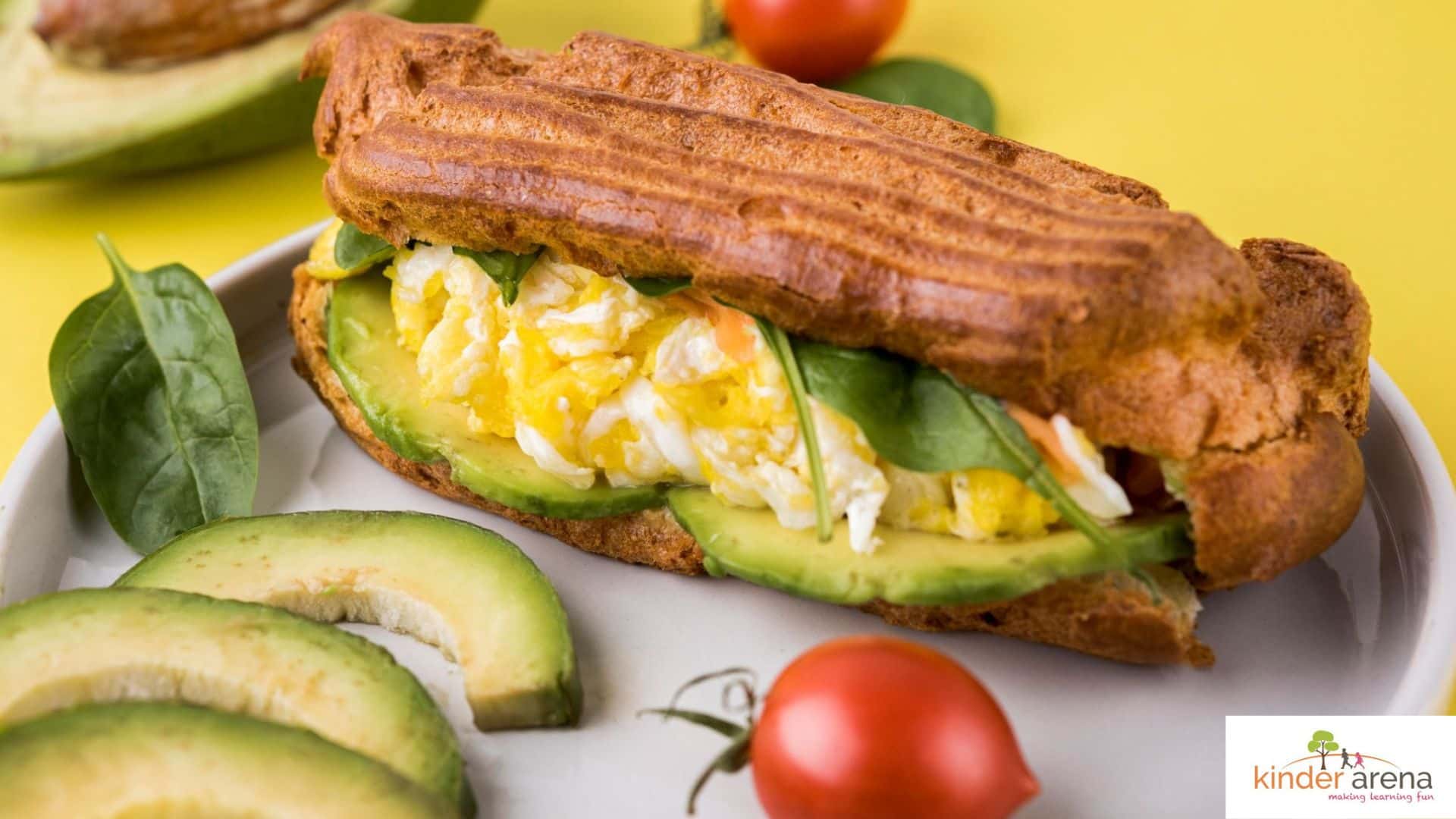
Ingredients:
- 2 slices wholemeal bread
- 1 boiled egg, mashed
- 1 teaspoon mayonnaise or plain yogurt
- Cucumber sticks
- Apple or grapes
A quick and protein-rich lunchbox that is easy to prepare the night before.
Chicken Wrap With Corn And Apple Slices
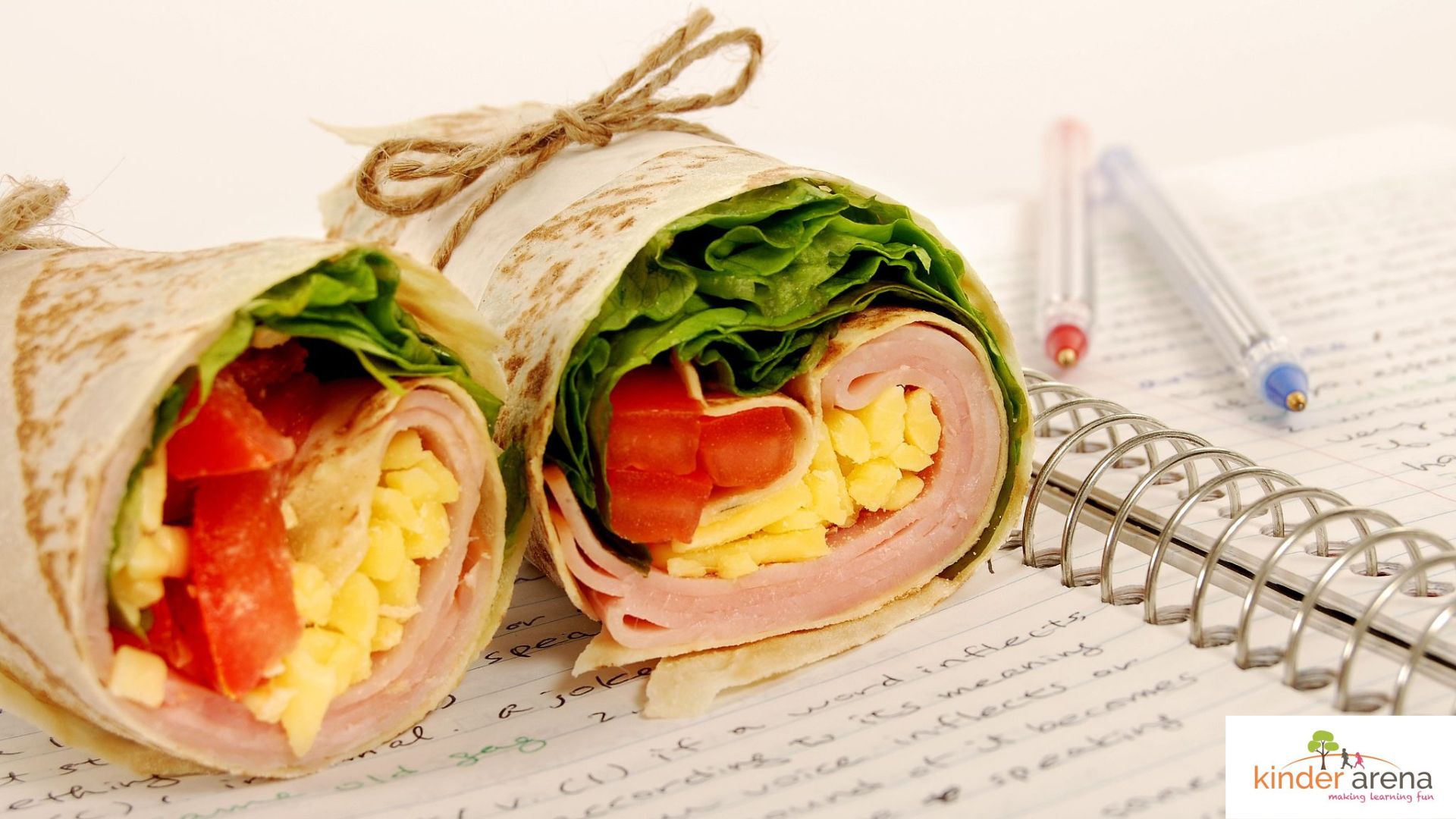
Ingredients:
- 1 tortilla wrap
- Cooked shredded chicken
- Lettuce or cucumber
- Sweet corn kernels
- Apple slices
Roll everything into a wrap for a mess-free lunch that is easy for little hands to hold.
Fried Rice With Egg And Vegetables
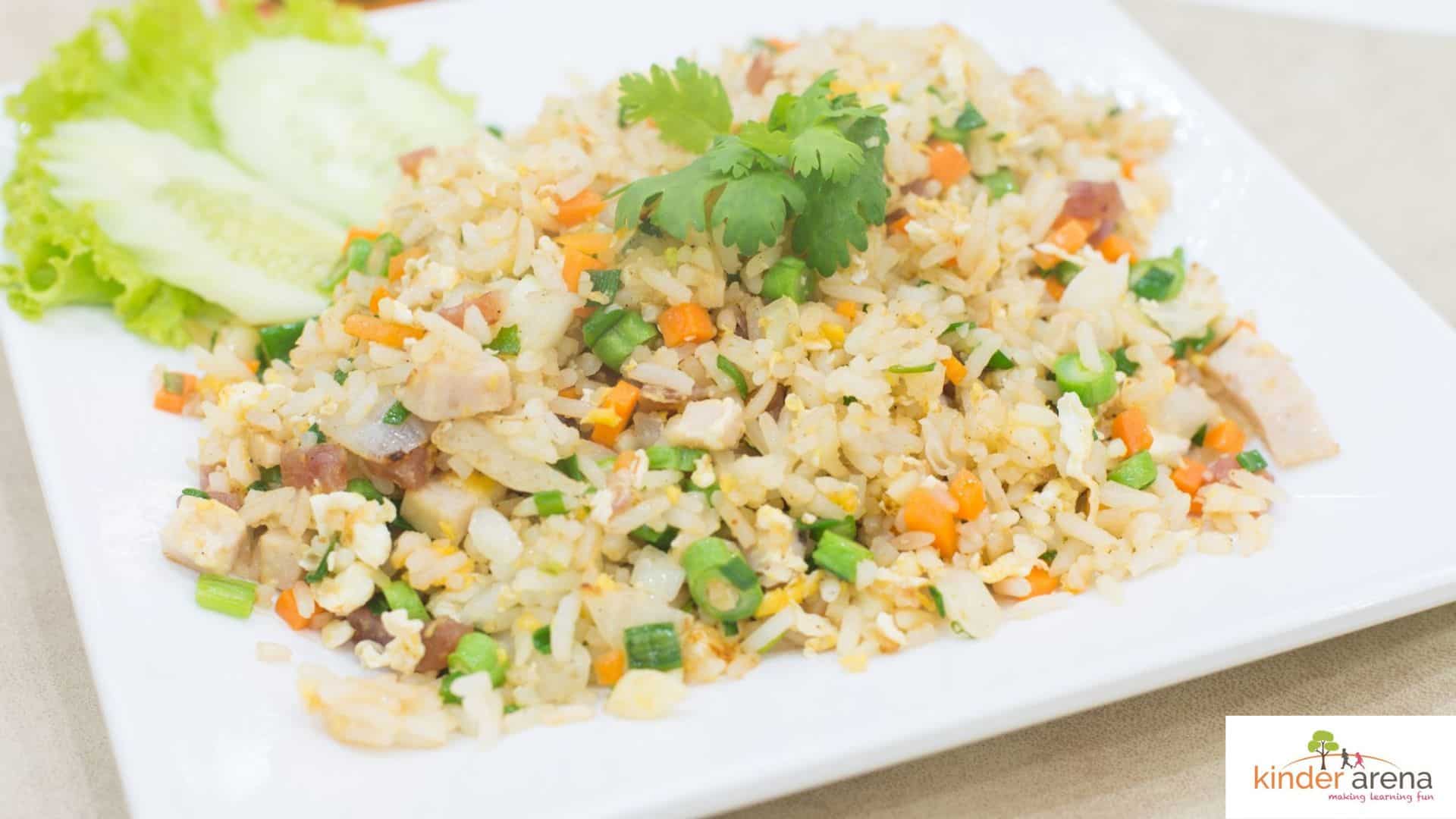
Ingredients:
- Cooked rice
- 1 egg
- Mixed vegetables (peas, carrots, corn)
- Small amount of soy sauce or seasoning
A great way to use leftover rice while adding extra vegetables and protein.
Pasta Salad With Chicken And Fruit
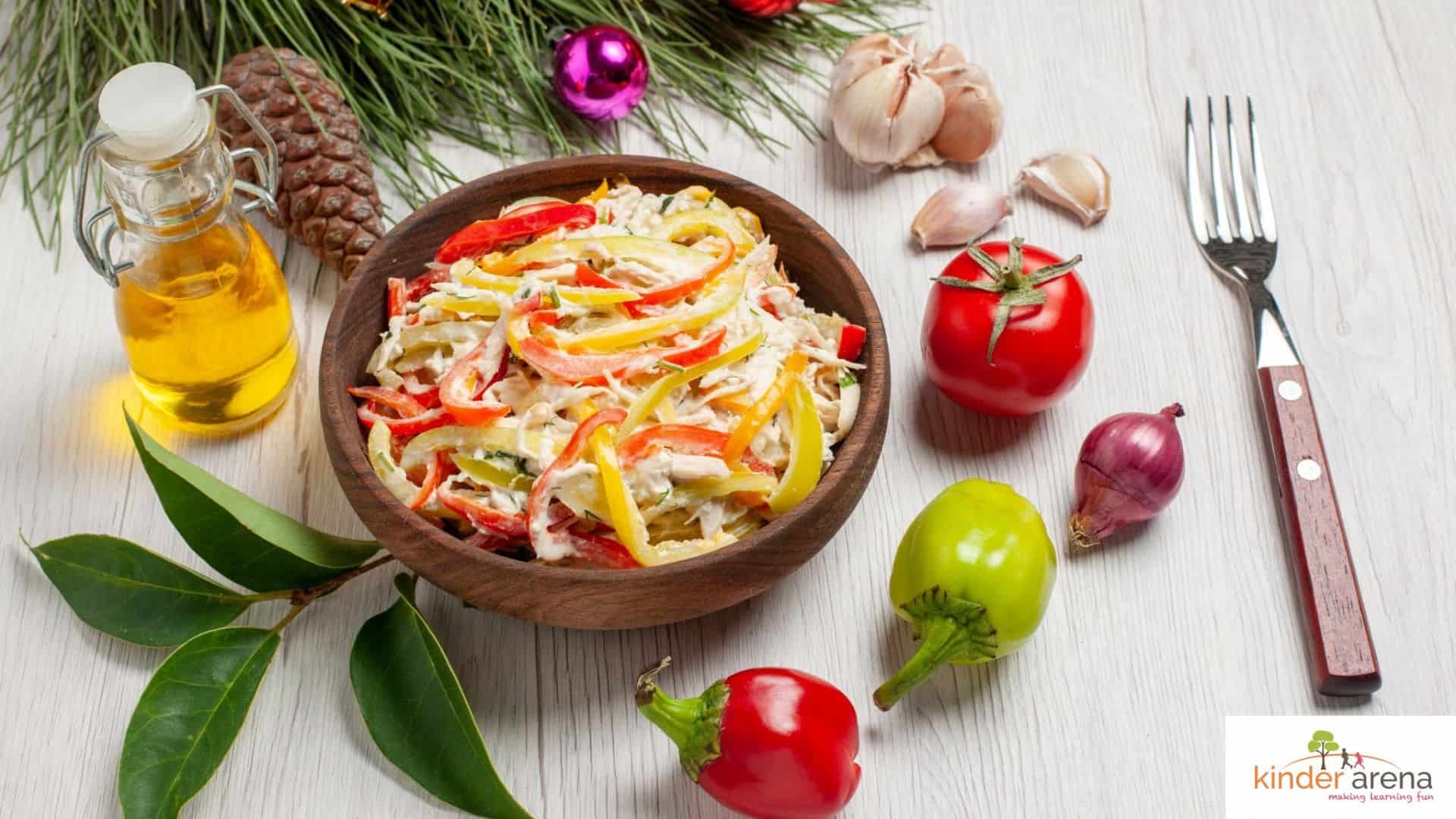
Ingredients:
- Cooked pasta
- Diced cooked chicken
- Cherry tomatoes or cucumber
- Light dressing or olive oil
- Watermelon or orange segments
Serve chilled for a refreshing lunchbox option, especially on hot Malaysian school days.
Mini Pancakes With Yogurt And Banana
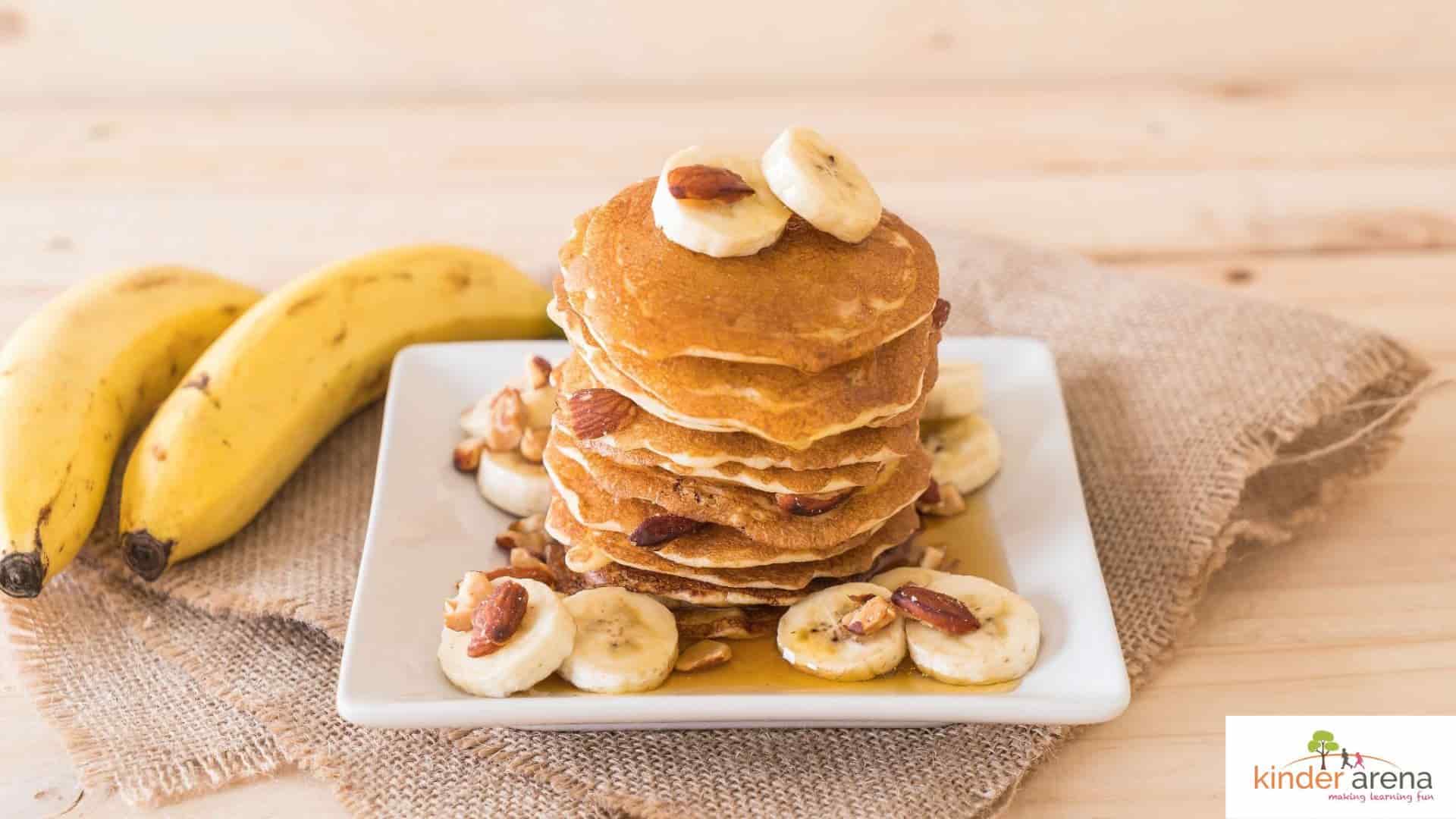
Ingredients:
- Mini pancakes
- Plain or flavoured yogurt
- Banana slices
- Optional berries or raisins
A fun breakfast-style lunchbox that works well for picky eaters and younger children.
How Can Parents Make Lunchboxes Less Stressful?
The easiest way is to prepare some ingredients ahead of time, yes it sounds like a lot of work but hold on!
You can wash fruit, boil eggs, cook chicken, or cut vegetables the night before. In the morning, you only need to assemble the lunchbox instead of cooking everything from scratch.
A simple weekly routine can look like this:
Prep Ahead Item | How It Helps |
Boiled eggs | Quick protein |
Washed fruit | Easy to pack |
Cooked chicken strips | Works in wraps, rice, or pasta |
Cut vegetables | Saves morning prep time |
Cooked pasta or rice | Easy lunchbox base |
This makes healthy eating feel less stressful for parents especially on school mornings.
“While it can be tempting to head to your local bakery and get the chocolate donut sprinkled with pink sugar for RM 3.50, cooking at home can help guarantee nutrition intake for your child.”
How Do You Make Healthy Food More Appealing To Children?
Children often eat with their eyes first.
A lunchbox with different colours looks more exciting than one filled with only beige or brown food.
Try mixing green cucumbers, orange carrots, yellow corn, red berries, or purple grapes.
You can also use small portions instead of overwhelming your child with too much food. For younger children, bite-sized pieces are often less intimidating.
Another helpful tip is to include one “safe food” your child already likes. For example, if they are trying cucumber for the first time, pack it with a favourite sandwich or fruit.
How Do You Keep Lunchbox Food Safe?
Food safety matters, especially in Malaysia’s hot and humid climate, where food can spoil more quickly if not stored properly.
“A study by researchers from Malaysia’s Ministry of Health analysed 11 years of national climate and food poisoning data found that a 1°C increase in temperature was associated with a significant increase in food poisoning risk, ranging from 23.6% to 74.1% depending on the state.“ – National Institute of Health
If you are packing hot food, allow it to cool slightly before sealing the container. Trapping too much steam inside can create excess moisture, which may affect food quality and freshness by lunchtime.
For younger children, simpler lunchbox items such as wraps, sandwiches, pasta salad and cut vegetables are often easier to keep fresh throughout the school day.
And of course, choose nice lunch boxes! Sturdy, leak-proof containers and comfortably accessible during meal break.
What If The Kindergarten Already Provides Food?
Parents feel unsure when their child’s kindergarten provides meals. You cannot see what your child is eating, and it is normal to wonder if they are getting enough nutrition.
The good news is, you still have ways to support your child’s diet without needing to control every meal.
Focus On What You Can Control At Home
You do not need to “compensate” for school meals, just balance them.
- Breakfast can include protein and fiber (eggs, oats, fruit)
- Dinner can include vegetables your child may not eat at school
- Snacks can fill small gaps with fruit, yogurt, or nuts (if suitable)
Over time, this creates a balanced routine without stress.
Talk To The School
Kindergartens in Malaysia follow general nutrition and hygiene guidelines from KKM, so meals are usually planned with children’s health in mind.
You can check:
- Weekly menus
- Allergy policies
- How meals are served (buffet style, portioned.)
Observe Your Child, Not Just The Menu
Instead of worrying about every ingredient, look at your child’s overall behaviour.
Are they:
- Energetic after school?
- Growing well?
- Generally healthy?
These are better indicators than a single meal.
Support Healthy Habits At Home
Even if school meals are not perfect, your influence at home matters more in the long run.
Simple habits like:
- Eating together as a family
- Offering vegetables regularly without pressure
- Keeping sugary snacks occasional
These shape your child’s eating habits over time.
Conclusion: Healthy Food for a Healthy Child
At Kinder Arena, we believe that healthy eating is just as important as learning. That is why we focus on serving delicious and nutritious meals that support your child’s growth, energy, and overall well-being throughout the day.
Our meals are thoughtfully prepared to:
- Provide balanced nutrition for growing children
- Include a variety of wholesome, child-friendly ingredients
- Encourage healthy eating habits from a young age
- Keep meals enjoyable so children actually look forward to eating
Looking for a kindergarten that supports your child’s learning, health, and daily routine? Enquire with Kinder Arena today to learn more about our programme, meals, and child-friendly environment.